

Can eyelid hooding be fixed with topical creams and serums?
Gen X friends, let's talk about something many of us notice in our 40s and beyond: the upper lids that looked wide-open in our '90s photos now seem a bit…heavier. Is that "eyelid hooding"? Can a cream lift it? What actually helps—without the hype?
Quick truth up front: topical skincare can't "lift" structurally hooded lids the way a clinician can with procedures. Eyelid hooding typically involves changes that extend beyond the surface, including skin laxity, soft-tissue shifts, and occasionally, adjustments to brow position—not just dryness or fine lines. That said, good skincare around the eyes still matters a lot. The correct formulas can make the upper-eye area look smoother, better hydrated, and more awake, which can reduce the appearance of heaviness.
What's happening when eyelids start to hood? As we age, several things team up:
-
The skin of the upper lid is the thinnest on the body and loses elasticity over time. The dermis (the layer rich in collagen and elastin) becomes thinner and less springy.
-
The fat pads and connective tissues around the eyes can shift, and the brow can drift slightly lower as one ages. Even small changes in brow position can make lids look heavier.
-
Repeated expressions (squinting, smiling) etch fine lines and can subtly change how the lid platform appears.
In short, you see hooding at the surface. Still, the drivers involve the dermis, subcutaneous tissues, and the brow complex beneath the skin. That's why a topical won't replace structural support—but it can help the skin look its best.
So…is there a topical solution? There's a realistic answer and a magical-thinking answer. The realistic answer: topicals won't hoist a descended brow or remove extra skin, but they can improve the look of crepiness, dryness, and fine expression lines. That often makes hooding look less noticeable because the skin reflects light more evenly, appearing firmer and smoother.
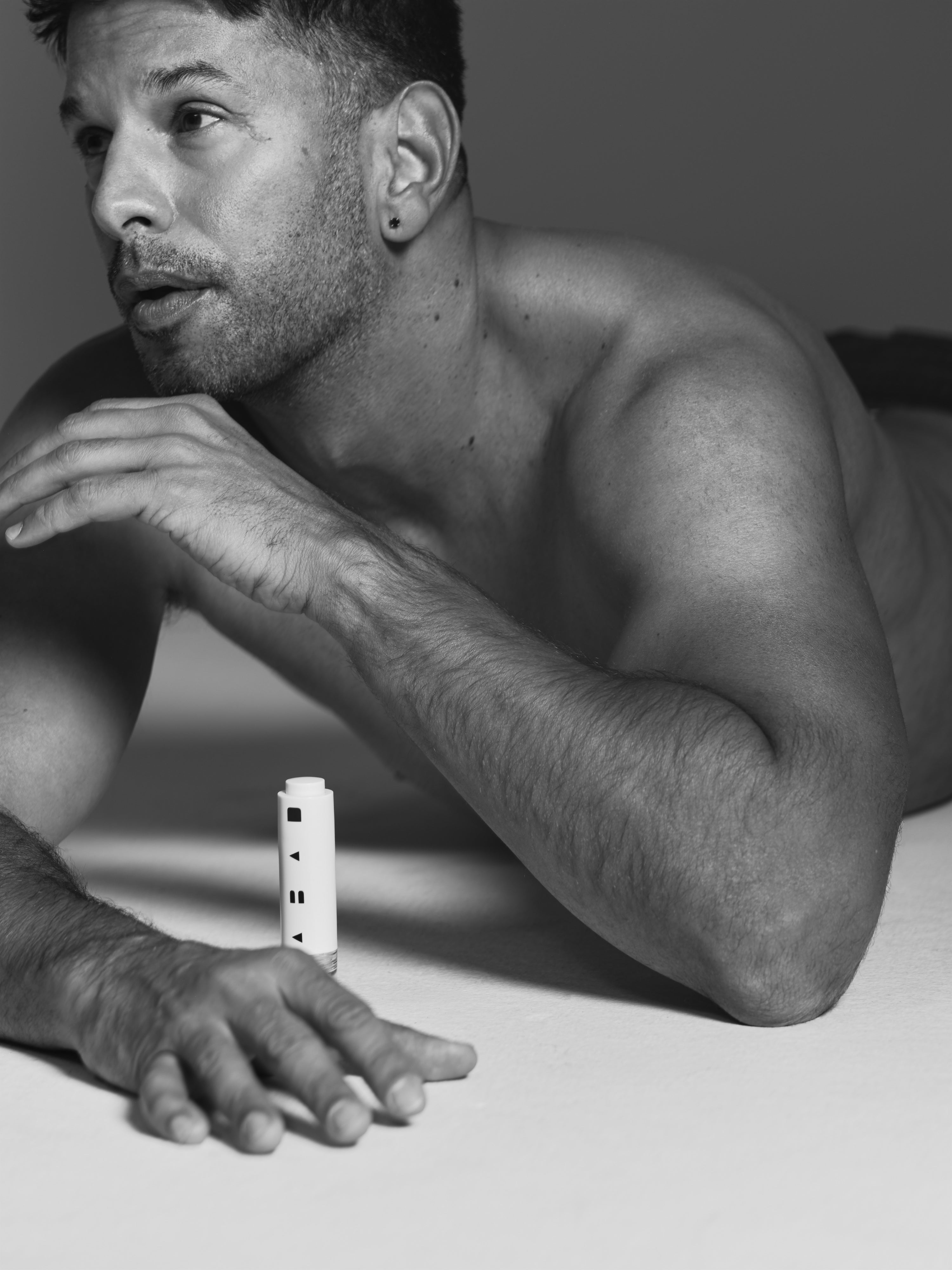
This is where AbadFace Skincare's Algae Eye Serum from The Age Annihilating Collection comes in. We created it to be gentle, hydrating, and smart for the delicate eye area—morning and night.
What's inside our Algae Eye Serum—and why it matters for the look of hooding
-
Sodium Hyaluronate: The hydration magnet. It helps the outer skin layers retain water, so the eye area appears plumper and smoother immediately, softening the appearance of delicate crinkles that can accentuate hooding.
-
Acetyl Hexapeptide-8 and Pentapeptide-18: Often referred to as "expression line peptides," these are used to help reduce the appearance of lines associated with repeated facial movements (such as squinting). Consistent use may visibly soften these lines, allowing the upper-eye area to look more relaxed and refreshed.
-
Macrocystis Pyrifera (Kelp) Extract: A soothing, antioxidant-rich marine extract that supports comfort and helps defend the skin's surface from oxidative stress—one of the factors tied to visible aging.
-
Butylene Glycol: A humectant that helps the formula spread evenly and enhances the feel and absorption of the actives.
-
Phenoxyethanol and Ethylhexylglycerin: A gentle preservation system to keep the formula safe.
What layer of skin "causes" hooding? You see hooding at the surface (epidermis), but the visible fold often reflects:
-
Dermal changes: less collagen/elastin = less snap-back and more crepe-like texture.
-
Subcutaneous and ligament changes: support shifts subtly with time.
-
Brow complex position: a slightly lower brow can shadow the lid and make the upper skin sit closer to the lash line. That multi-layer story explains why procedures address structure. At the same time, skincare refines the look of the skin draped over that structure.
What can we do to prevent or slow the appearance of hooded-looking lids?
-
Sunscreen every day. The eye area is prone to photoaging. Consistent SPF 30+ helps slow down collagen breakdown and supports smoother-looking skin in the long term. Mineral sticks or ophthalmologist-tested formulas are great for the eyes.
-
Retinoids (used carefully). Retinoids have the best evidence among topicals for improving fine lines and overall skin quality over time. Around eyelids, go low-and-slow and patch test; many prefer gentle retinol or retinal just outside the mobile lid.
-
Hydration and barrier care. A dedicated eye serum, such as Algae Eye Serum, when layered under a lightweight moisturizer, helps keep the area comfortable and smooth, which can minimize the appearance of heaviness.
-
Sunglasses and squint control. Less squinting means fewer expression lines, which can make lids look more creased over time.
-
Healthy habits. Avoid smoking, manage your sleep, and limit rubbing/pulling to a minimum. These small behaviours pay off in the eye area.
What actually works when hooding is more noticeable? For meaningful lifting or removal of excess skin, in-office options—performed by qualified clinicians—are the gold standard. Examples include upper blepharoplasty (surgical eyelid lift), energy-based skin tightening, or carefully placed neuromodulators to create a subtle brow-lifting effect. These are medical procedures; skincare can complement them by keeping the skin hydrated and calm, but skincare alone cannot duplicate their results.
What social media gets wrong (and what's true)
Myth: "This cream lifts hooded lids like surgery."
Fact: No cosmetic topical can lift excess eyelid skin or reposition a brow. Topicals improve the appearance of the skin; procedures address structure.
Myth: "Collagen cream rebuilds eyelid collagen."
Fact: Collagen molecules are too large to penetrate intact skin. Retinoids, sunscreen, and time-tested skincare practices support smoother-looking skin; collagen in a jar doesn't equal new collagen in your dermis.
Myth: "Face yoga will unhood your eyes."
Fact: While facial exercises may slightly alter soft-tissue tone for some, evidence for reversing true hooding is limited. Manage expectations.
Myth: "Sunscreen doesn't matter for eyelids."
Fact: Daily SPF still slows visible photoaging and supports better long-term outcomes—at every age.
How to use AbadFace Skincare's Algae Eye Serum in your routine. Morning: After cleansing, tap a pea-sized amount of Algae Eye Serum around the orbital bone (avoid getting it in the eyes), then follow with moisturizer and broad-spectrum SPF 30+. You should notice an immediate improvement in surface smoothness with Sodium Hyaluronate. Night: Cleanse, apply your retinoid, if you use one, around the orbital bone. Then, layer Algae Eye Serum and a light moisturizer. Over 8–12 weeks, the peptide blend can help the area look more relaxed and refined.
If your goal is a brighter, more rested upper-eye look—and you're looking for a cosmetic, non-medical option—Algae Eye Serum is a gentle and straightforward place to start. If you want a proper lift, consulting a board-certified specialist is the transparent, evidence-based next step. Many people find that pairing consistent skincare (including Algae Eye Serum) with professional guidance gives the best of both worlds: better-looking skin day-to-day and informed decisions if you choose procedures.
P.S. If you want a cosmetic, non-medical way to support a brighter-looking eye area, try AbadFace Skincare's Algae Eye Serum from The Age Annihilating Collection. With peptides, hyaluronic acid, and kelp extract, it's an easy and gentle layer to help the delicate eye area look smoother and more refreshed—mainly when used alongside daily SPF and your nighttime routine.
Important reminder and community note:
To stay cosmetic-compliant, Algae Eye Serum is not a medical treatment and does not lift tissue. Its role is to hydrate, smooth, and support a refreshed appearance around the eyes—benefits many of us can see in the mirror with consistent use.
I'm not a dermatologist, scientist, or medical expert. I'm a curious skincare lover—just like you—exploring what's true and what's hype. This blog aims to synthesize credible research, debunk myths, and provide practical steps for addressing aging skin. We'd love to hear what's worked for your eye area and what hasn't. Please keep the conversation respectful; rude or derogatory comments won't be responded to and will be deleted. Together, we can share what actually helps and build the best habits for aging skin.
FAQ:
-
Can eye cream fix hooded eyelids?
Short answer: No cosmetic cream can lift excess skin or reposition a brow. A well-formulated eye serum—such as AbadFace Algae Eye Serum—can hydrate, smooth, and refresh the appearance of the eye area, making hooding appear less pronounced.
-
How can I reduce the appearance of hooded eyelids without surgery?
Short answer: Consistent SPF, gentle retinoids (used carefully), and a hydrating eye serum with peptides (such as Algae Eye Serum) can improve skin smoothness and firmness in appearance. For actual lift, consult a pro about in-office options.
-
What causes hooded eyelids as you age?
Short answer: Thinner, less elastic dermal tissue, soft-tissue shifts, and subtle brow descent make upper lids look heavier. You see it at the surface, but the drivers are more profound structural changes.
-
What ingredients help hooded eyelids look better?
Short answer: Humectants like Sodium Hyaluronate (hydration/plump look) and peptides like Acetyl Hexapeptide-8 and Pentapeptide-18 (soften the look of expression lines) are helpful. Our Algae Eye Serum combines these with soothing kelp extract for a refreshed appearance.
-
Is retinol safe to use around hooded eyelids?
Short answer: Yes—with care. Use low-strength retinol or retinal around the orbital bone, start slowly, and layer a gentle eye serum (like Algae Eye Serum) to support comfort. Avoid looking directly into the eyes.


Leave a comment
This site is protected by hCaptcha and the hCaptcha Privacy Policy and Terms of Service apply.